
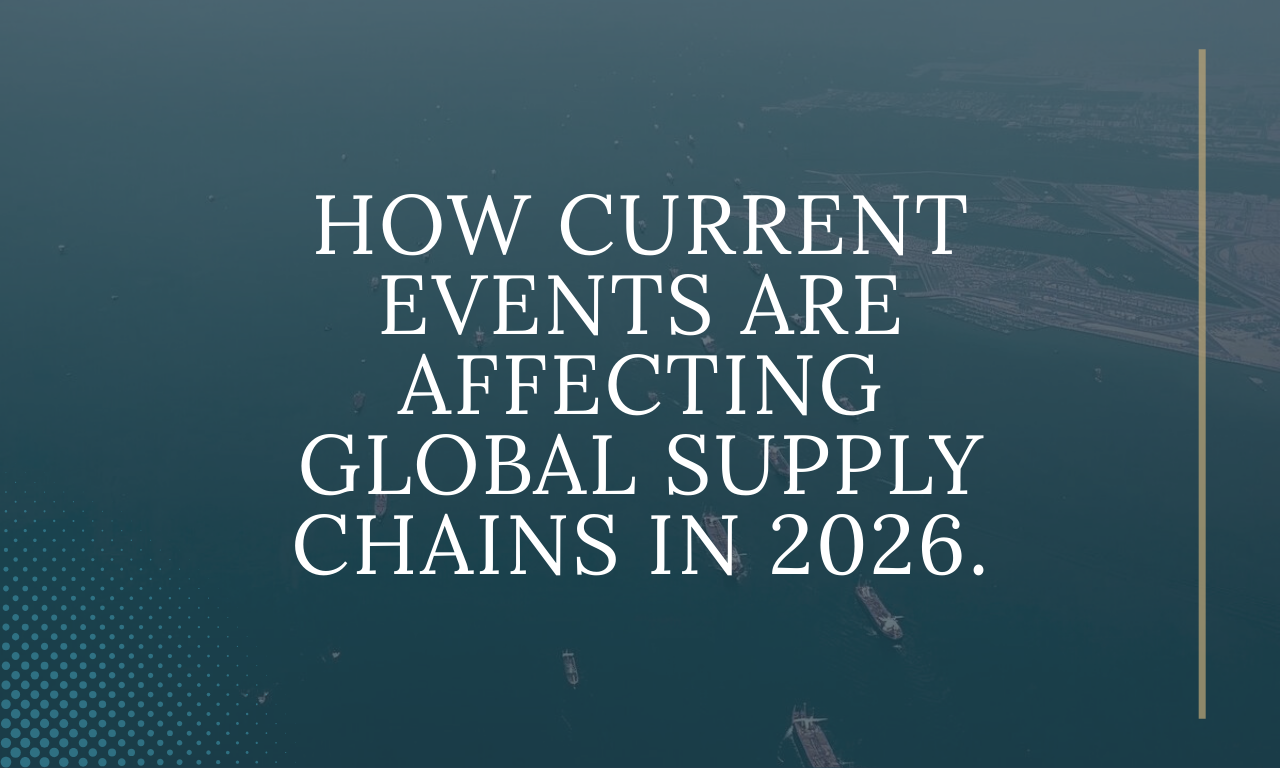
The start of 2026 has brought a sharp reminder of how interconnected the world’s supply chains really are. Rising tensions in the Middle East, particularly the disruption around the Strait of Hormuz are creating ripple effects across global energy markets, inflation forecasts, and the movement of goods worldwide.
At IN Freight Solutions, we help businesses navigate uncertainty with clarity. Here’s what the latest developments mean for importers, exporters, and anyone relying on resilient freight operations.
The Strait of Hormuz: The World’s Most Critical Energy Chokepoint
The Strait of Hormuz is responsible for transporting around one-fifth of global seaborne crude oil and a similar share of global LNG shipments. When tensions escalated in early March, shipping through the channel “effectively closed” as many companies paused movement due to risk and insurance concerns. [theguardian.com]
This area is not just important, it is strategic. According to CNBC, 13 million barrels per day moved through the strait in 2025, representing roughly 31% of all seaborne crude flows globally. With Iran asserting control and traffic dropping by 80% according to Lloyd’s List Intelligence, the global oil and gas supply chain is experiencing major disruption. [cnbc.com] [independent.co.uk]
Immediate Impact: Oil & Energy Price Volatility
Following US–Israel strikes and Iran’s retaliatory actions, Brent crude surged as much as 13% in a single day before settling slightly lower, one of the sharpest weekly increases in over a year. [theguardian.com]
Energy experts warn that should the closure extend, oil could easily push past $100 per barrel again, driving wider cost-of-living pressures across the globe and straining energy‑reliant sectors such as logistics, manufacturing, and retail. [cnbc.com]
This matters because:
- Higher oil prices feed into UK petrol and diesel costs within 1–2 months.
- Carrier fuel surcharges can increase quickly.
- Haulage, last‑mile delivery, and air freight costs all become more volatile.
Wider Supply Chain Disruptions: More Than Just Oil
The Strait of Hormuz is also a major route for LNG, petrochemicals, fertilisers, and refined products. The Independent reports that millions of barrels of oil and gas are currently being held up, with maritime traffic “drying up” by 80% as Iran asserts control over the channel. [independent.co.uk]
Kpler analysis highlights why this chokepoint matters so much:
- 30.7% of Europe, Asia, and Africa’s crude flows depend on Hormuz.
- 20% of global LNG exports transit through the strait.
- A significant portion of global jet fuel supply is at risk.
Even small disruptions here can send shockwaves through shipping schedules, container availability, vessel routing, insurance premiums, and transit times.
How This Links to Inflation & UK Economic Pressures
HSBC’s latest projections show that even in a base case scenario where the strait gradually reopens wholesale energy prices will take months to normalise.
- UK petrol pump prices are expected to rise through spring.
- The Ofgem price cap is forecast to increase by over 8% to around £1,800 in July.
- CPI inflation could be pushed 0.5 percentage points higher later this year due to energy costs alone.
This aligns with global signals: the Guardian warns that the Hormuz disruption could trigger a new wave of global cost‑of‑living pressures as governments struggle to absorb the impact. [theguardian.com]
What This Means for UK Importers, Exporters & Manufacturers
With fuel, energy, and shipping volatility set to continue, UK businesses should prepare for:
1. Increased Freight Costs
Fuel surcharges, carrier adjustments, and volatile energy pricing can lead to short‑notice changes in freight rates.
2. Potential Delays and Routing Changes
Alternative routes may be longer, more expensive, or more congested. Insurance restrictions can also prevent vessels from travelling through certain zones even if physically open.
3. Supply Chain Bottlenecks
From petrochemicals to fertilisers, many industrial inputs rely on Middle Eastern flows. Disruption can filter into manufacturing, agriculture, and retail.
4. Upstream Inflation Pressures
Higher energy costs contribute to cost‑push inflation, squeezing margins and affecting purchasing decisions across multiple sectors.
How IN Freight Solutions Supports Businesses Through Volatility
In times like these, businesses need a freight partner who understands the full picture, not just rates and routes, but the shifting geopolitical, economic, and energy landscape behind them.
At IN Freight Solutions, we provide:
✔ Proactive Route Planning & Risk Mitigation
We monitor global developments daily to adjust routing strategies and keep goods moving efficiently.
✔ Transparent Cost Discussions
We help clients forecast and prepare for fuel and carrier cost changes — with no surprises.
✔ Supply Chain Resilience Insights
From alternative port options to mode diversification, we advise businesses on building stronger, more adaptable supply chains.
✔ Strategic Freight Consultancy
We translate geopolitical shifts into practical guidance for your business planning, budgeting, and logistics decision-making.
Final Thought: Stability Comes From Preparedness
The Middle East situation is evolving, but one reality is clear: global supply chains will continue to face pressure as long as tensions persist around the world’s most important energy corridor.
UK businesses that invest in visibility, flexibility, and strategic freight partnerships will be best placed to navigate the months ahead with confidence.
If your organisation needs support understanding the potential impacts or building resilience into your freight strategy, our team is here to help.
Strategic Freight Solutions Built on Trust — Delivered with Care.
Leave a Reply