What It Means for Global Shipping and Your Supply Chain
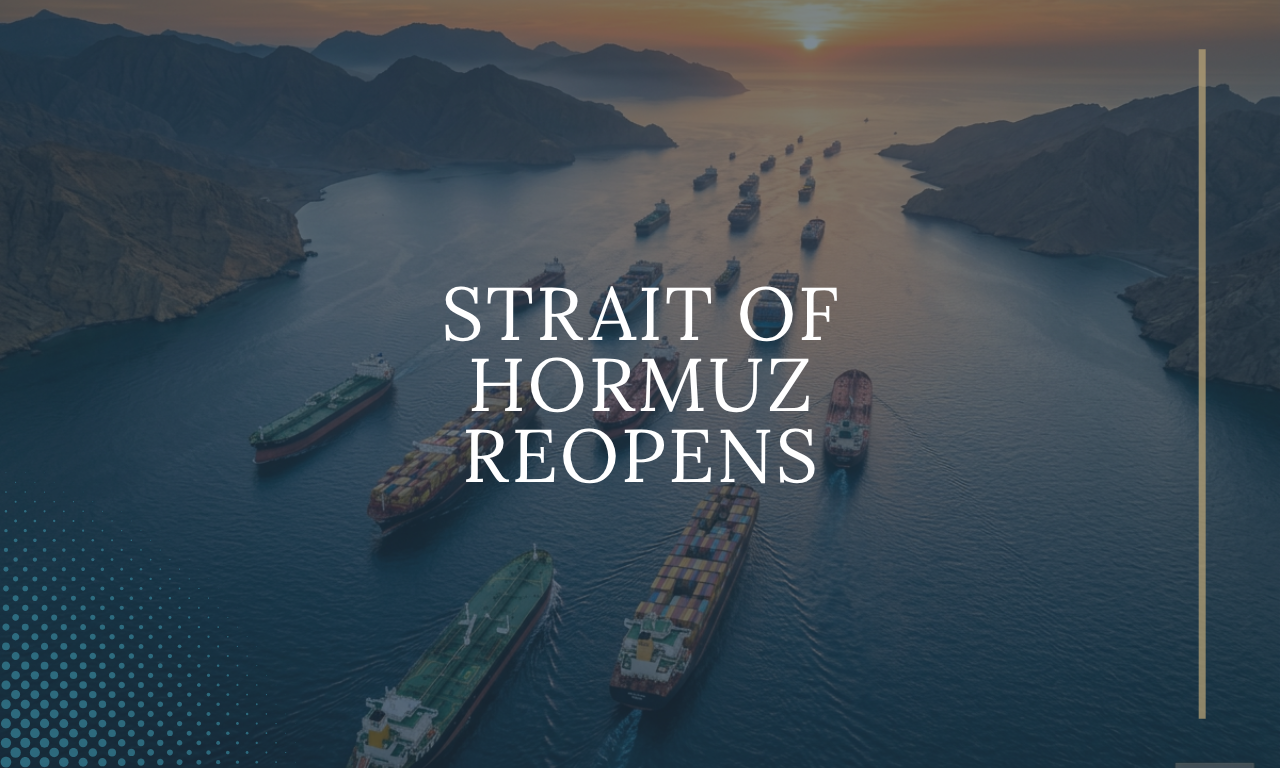
The recent ceasefire agreement between the United States and Iran has led to a major development for global trade: the reopening of the Strait of Hormuz.
For importers, exporters, and logistics managers, this news signals a potential improvement in supply chain conditions. However, while shipping routes are reopening, the situation remains complex.
In this update, we explain what the Strait of Hormuz reopening means for global shipping, freight costs, and your supply chain strategy.
Why the Strait of Hormuz Is Critical for Global Shipping
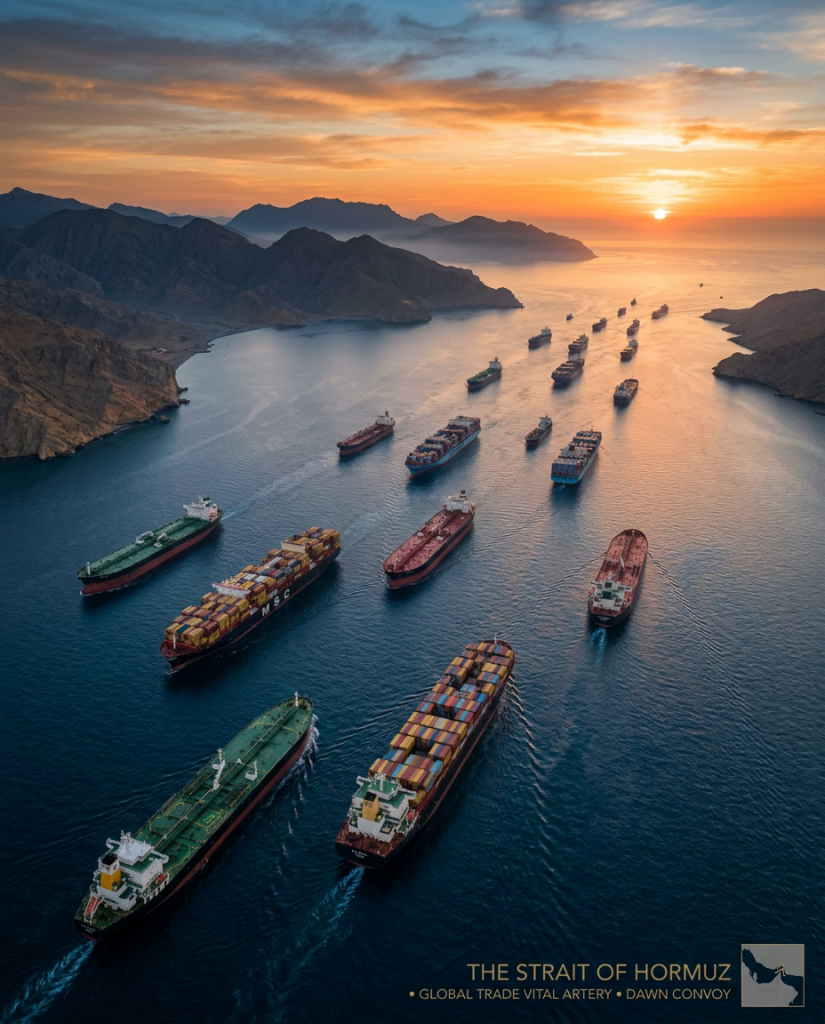
The Strait of Hormuz is one of the most important maritime routes in the world.
- Around 20–25% of global oil and gas passes through the Strait [unctad.org], [iea.org]
- It connects major Middle Eastern exporters with global markets
- It plays a vital role in energy supply chains, shipping capacity, and freight pricing
During the recent conflict, shipping through the Strait was severely disrupted, with vessel traffic dropping sharply and cargo becoming delayed or stranded. [news.un.org]
Strait of Hormuz Reopening:
Immediate Impact on Freight
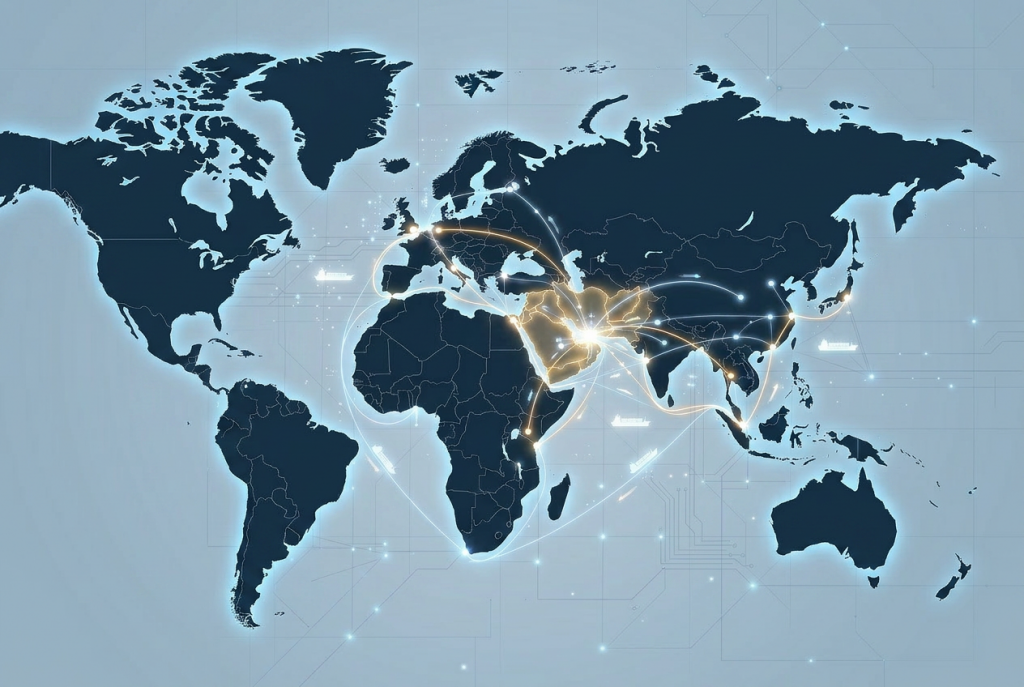
The ceasefire agreement has allowed the Strait of Hormuz to reopen for commercial shipping. [aljazeera.com]
This is already having a positive impact on global logistics.
Key short-term benefits:
- Shipping routes are reopening, reducing the need for diversions
- Transit times are improving for Gulf-related cargo
- Backlogs are beginning to clear across the region
- Fuel and emergency surcharges may start to decrease
For businesses shipping to and from the Middle East, this is a welcome step toward greater stability.
Is Global Shipping Back to Normal?
Despite the reopening, global shipping is not yet back to normal.
The ceasefire represents a temporary de-escalation rather than a permanent solution. Key geopolitical issues remain unresolved, and negotiations are ongoing.
This means supply chains still face:
- Ongoing geopolitical risk in the Middle East
- Potential for sudden disruption or route closures
- Continued freight rate volatility
- Elevated insurance and security costs
Even in previous reopening phases, shipping resumed under tight operational controls and continued tension, highlighting the fragility of the situation. [gulfnews.com]
Supply Chain Impact: What Businesses Should Do Now
For logistics teams and supply chain managers, this is a critical moment.
Instead of returning to pre-conflict operations, businesses should focus on resilience and flexibility.
1. Diversify Shipping Routes
Avoid over-reliance on a single corridor. Maintain alternative routing options where possible.
2. Monitor Freight Costs Closely
Fuel prices, surcharges, and insurance premiums are likely to remain volatile in the short term.
3. Build Contingency Plans
Disruption can happen quickly. Having pre-planned alternatives will reduce risk and delays.
4. Stay Informed
The next phase of negotiations will determine whether current stability holds or changes.
How IN Freight Solutions Supports Your Supply Chain
At IN Freight Solutions, we help clients navigate uncertainty in global shipping markets.
Our team is actively supporting customers with:
✅ Strategic Route Planning
We assess the most reliable and cost-effective options based on current conditions.
✅ Risk Management Solutions
We help protect your supply chain with contingency planning and flexible logistics strategies.
✅ Cost Control and Optimisation
We monitor rate changes and help you reduce unnecessary spend.
✅ Real-Time Market Updates
We keep you informed so you can make confident logistics decisions.
Outlook: What to Expect in the Coming Weeks
While the reopening of the Strait of Hormuz is positive, it should be viewed as a short-term stabilisation period.
In the coming weeks, businesses should expect:
- Gradual recovery in vessel traffic
- Continued fluctuations in freight rates
- Ongoing geopolitical uncertainty
The current agreement creates an opportunity window, but not long-term certainty.
Final Thoughts: A Strategic Approach to Freight
The reopening of the Strait of Hormuz is a step forward for global shipping, but it does not remove risk from the market.
For businesses, success in this environment will depend on planning, agility, and informed decision-making.
At IN Freight Solutions, we provide strategic freight solutions built on trust, helping you move cargo with confidence, even in uncertain conditions.
Need Support With Your Shipments?
If you would like to review your current logistics strategy or explore alternative freight options, our team is here to help.
Contact IN Freight Solutions today to discuss your supply chain requirements.