Free Trade Agreements (FTAs) are becoming a key driver of international trade growth in the UK, but for businesses, the real question is simple:
How can Free Trade Agreements reduce your import duties, improve competitiveness, and support business growth?
At IN Freight Solutions, we focus on turning trade policy into practical, cost-saving advantages through our freight consultancy support.
The Opportunity for Your Business
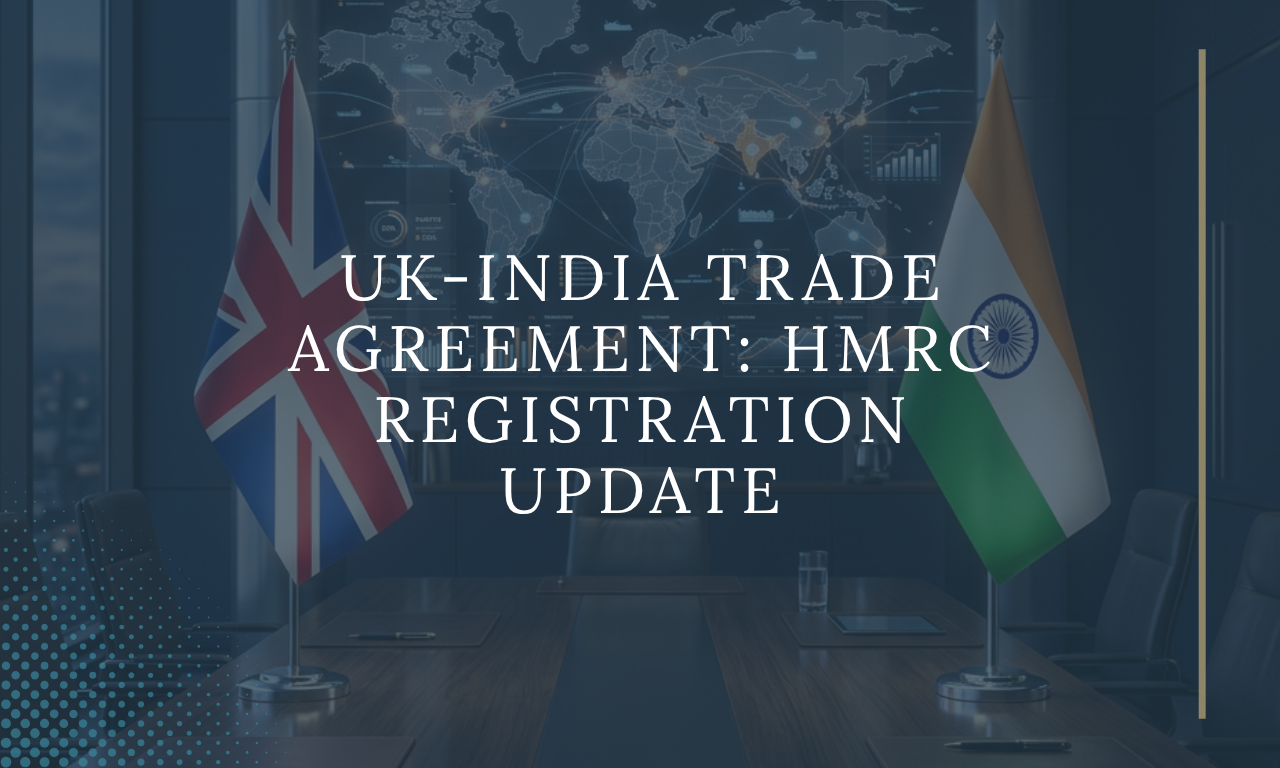
Recent agreements such as the UK–India and UK–GCC Free Trade Agreements highlight a clear shift in global trade.
For your business, Free Trade Agreements could mean:
- Reduced import duties and landed costs
- More competitive pricing in global markets
- Access to new suppliers and trade routes
- Stronger positioning in international supply chains
However:
FTA savings are not automatic, they must be actively managed and applied.
Why Many Businesses Miss Out
Many businesses are aware of Free Trade Agreements but fail to fully benefit due to customs complexity and compliance requirements.
To successfully reduce duty costs, you must:
- Correctly classify goods using commodity codes
- Confirm the agreement applies
- Apply Rules of Origin accurately
- Hold valid proof of origin documentation
- Declare preference correctly in customs entries
Without this, businesses risk:
- Paying unnecessary import duty
- Losing competitive advantage
- Facing HMRC audits and penalties
The Biggest Challenge: Rules of Origin
Rules of Origin are one of the most misunderstood aspects of Free Trade Agreements.
They determine whether your goods qualify for preferential duty rates.
A common mistake:
Assuming goods qualify simply because they are shipped from a partner country.
In reality, goods must meet strict processing and value criteria.
Without the correct documentation:
- Duty savings may be lost
- Claims can be rejected
- Compliance risks increase
Turning FTAs into Commercial Value
Free Trade Agreements only deliver value when applied to real business operations.
Key questions to consider:
- Are you eligible to reduce import duty?
- Are your commodity codes accurate?
- Is supplier origin evidence valid?
- Are your customs declarations compliant?
- Are you prepared for an HMRC audit?
These factors directly impact:
- Profit margins
- Pricing strategy
- Supply chain decisions
- Business risk
Why Acting Early Matters
With new UK trade agreements continuing to emerge, businesses that act early gain a clear advantage.
We support clients to:
- Review supply chains before agreements take effect
- Identify potential cost savings opportunities
- Adjust sourcing and pricing strategies ahead of competitors
The most successful businesses are proactive, not reactive.
How IN Freight Solutions Supports You
We go beyond freight forwarding, we provide strategic freight consultancy and customs support.
Our services include:
- Identifying where FTAs can reduce your duty exposure
- Assessing compliance with Rules of Origin
- Reviewing commodity codes and documentation
- Ensuring accurate preference claims
- Delivering customs health checks
- Supporting declarations and origin processes
Speak to our team for guidance on customs compliance and clearance services.
The Bottom Line
Free Trade Agreements are not just policy, they are a real opportunity to reduce costs and improve competitiveness.
But only if used correctly.