How to Choose the Right Shipping Method in 2026
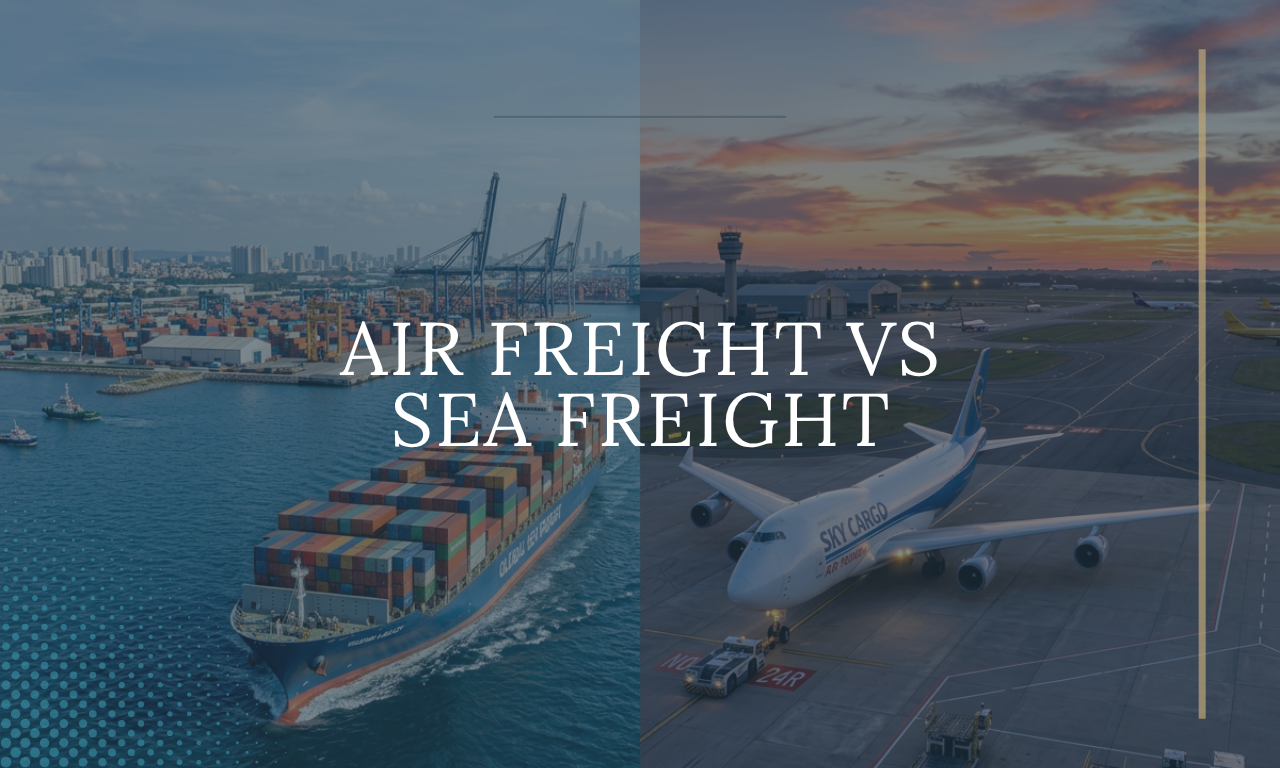
One of the most common questions we’re asked is: “Should we ship by air or sea?”
It’s a simple question, but in today’s unpredictable global supply chain, the answer is more strategic than ever.
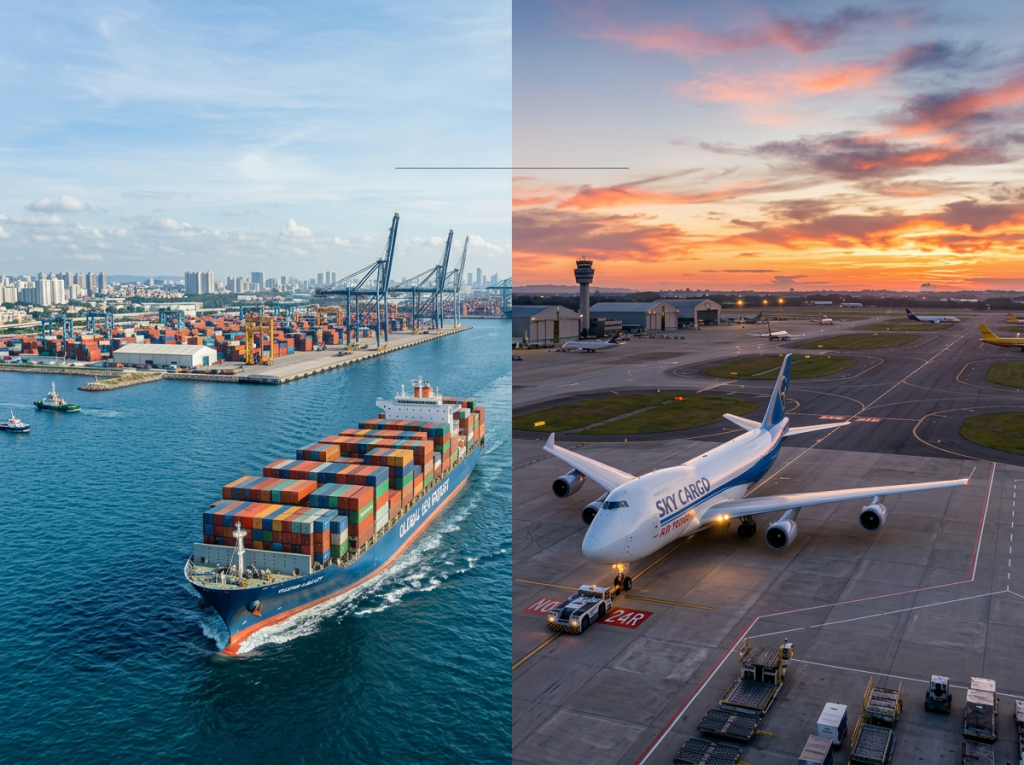
The Traditional View of Air Freight vs Sea Freight
Historically, the distinction between air and sea freight was straightforward:
- Sea freight = cost-effective, but slower
- Air freight = fast, but expensive
However, ongoing supply chain disruptions, port congestion, and shifting global demand have blurred those lines significantly.
What’s Changing in Global Freight Shipping
In recent years, businesses have faced:
- Sea freight delays, capacity issues, and congestion have made transit times less predictable, particularly as global trade volumes continue to fluctuate. According to UK trade data, international trade remains at record levels, putting sustained pressure on global supply chains.
- Capacity challenges, especially on key global trade routes. Ongoing port congestion continues to impact delivery schedules globally, with some major trade routes experiencing delays of up to two weeks due to vessel rerouting and infrastructure constraints, as highlighted in recent port congestion reports.
- Increased reliance on air freight solutions to maintain supply continuity
While air freight remains more expensive, it has become a critical tool for managing disruption and reducing risk.
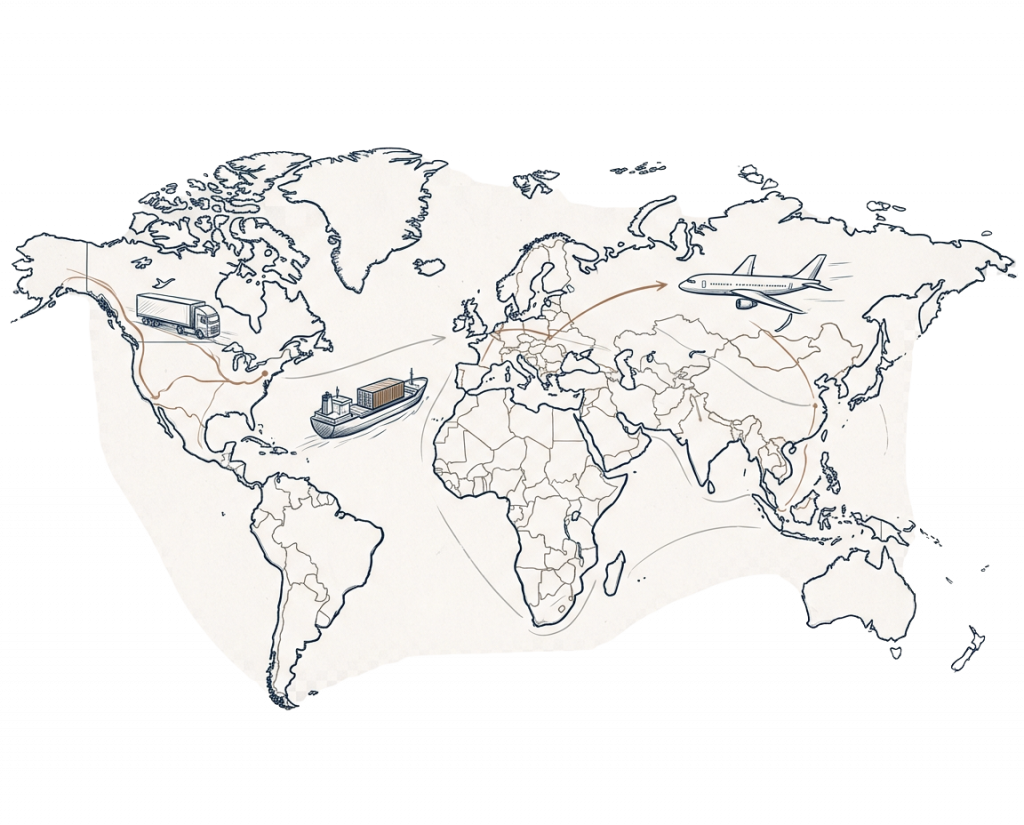
Key Factors When Choosing Air Freight or Sea Freight
In today’s market, disruption is no longer an exception, it’s the operating environment. Industry insights show that businesses are now designing supply chains around resilience and flexibility rather than cost alone (shipping and logistics trends).
The decision is no longer just about cost versus speed. A strategic approach considers:
- Supply chain reliability
- Product value and urgency
- Inventory levels and stock cover
- Customer expectations and service levels
Understanding these factors is essential to making the right freight decision for your business.
When to Choose Air Freight
Air freight is often the best option when:
- Preventing production shutdowns is critical
- You need to meet tight customer deadlines
- You’re transporting high-value or time-sensitive goods
Although the upfront cost is higher, the commercial impact of delays can often outweigh the freight cost.
When Sea Freight Is the Better Option
Sea freight remains the right choice when:
- Demand is stable and predictable
- Goods are lower value or non-urgent
- You have a well-planned inventory strategy
For many businesses, sea freight still offers the best balance for cost-efficient global shipping.
The Rise of a Hybrid Freight Strategy
More businesses are now adopting a blended approach to freight forwarding, using:
- Sea freight for core, planned shipments
- Air freight for urgent, delayed, or high-priority goods
This flexible model allows companies to balance cost efficiency with operational resilience.
Real-World Example: Automotive Supply Chain
An automotive supplier faces unexpected delays on components needed for a just-in-time production schedule.
A portion of the shipment is expedited via air freight to bridge the gap.
The result:
- Assembly lines continue without interruption
- Contractual delivery timelines are met
- Penalties and reputational risk are avoided
The decision demonstrates how air freight can act as a strategic buffer within tightly timed supply chains.
How to Decide: Key Questions to Ask
Before choosing between air and sea freight, ask:
- What is the cost of delay vs the cost of freight?
- How critical is this shipment to operations or revenue?
- What level of risk can your business tolerate?
Answering these questions will help you make a data-driven logistics decision.
Why a Strategic Freight Partner Matters
At IN Freight Solutions, we don’t default to a single mode of transport, we provide tailored advice based on your business needs.
Our support includes:
- Rapid decision-making support in volatile markets
- Cost vs risk analysis
- Alternative routing strategies
Final Thought: Flexibility Is the Future of Freight
The most effective supply chains today are not fixed, they’re flexible.
Having the ability to switch between air freight and sea freight strategically is no longer a luxury, it’s essential for resilience, growth, and competitive advantage.
Ready to Build a Smarter Freight Strategy?
If you’d like support creating a more agile and cost-effective logistics strategy, we’d welcome the conversation.