Supply Chain Resilience in the Midlands is Now a Business Priority
The latest UK GDP figures show the economy grew by 0.1% in May. While this appears positive on the surface, the wider picture suggests economic momentum is slowing. Services drove growth, while production and construction output fell, highlighting challenges for many sectors that depend heavily on supply chains.
For businesses across Derby, Derbyshire and the wider Midlands, this reinforces a growing reality: supply chain resilience is no longer a logistics issue. It is a strategic business priority.
At IN Freight Solutions, we are seeing more organisations focus on reducing risk, increasing visibility and building supply chains capable of adapting to economic uncertainty.
What the Latest Economic Data Means for Supply Chains
According to the Office for National Statistics, services output increased by 0.3% in May. However, production output fell by 0.5% and construction output declined by 0.8%. Meanwhile, import growth continued to outpace export growth.
HSBC’s economists suggest the UK is experiencing the typical slowdown that often follows a strong first quarter. Businesses are also navigating ongoing global uncertainty, inflation pressures and changing trade patterns.
As a result, many organisations are reassessing how goods move through their supply chains and whether their current logistics strategies remain fit for purpose.
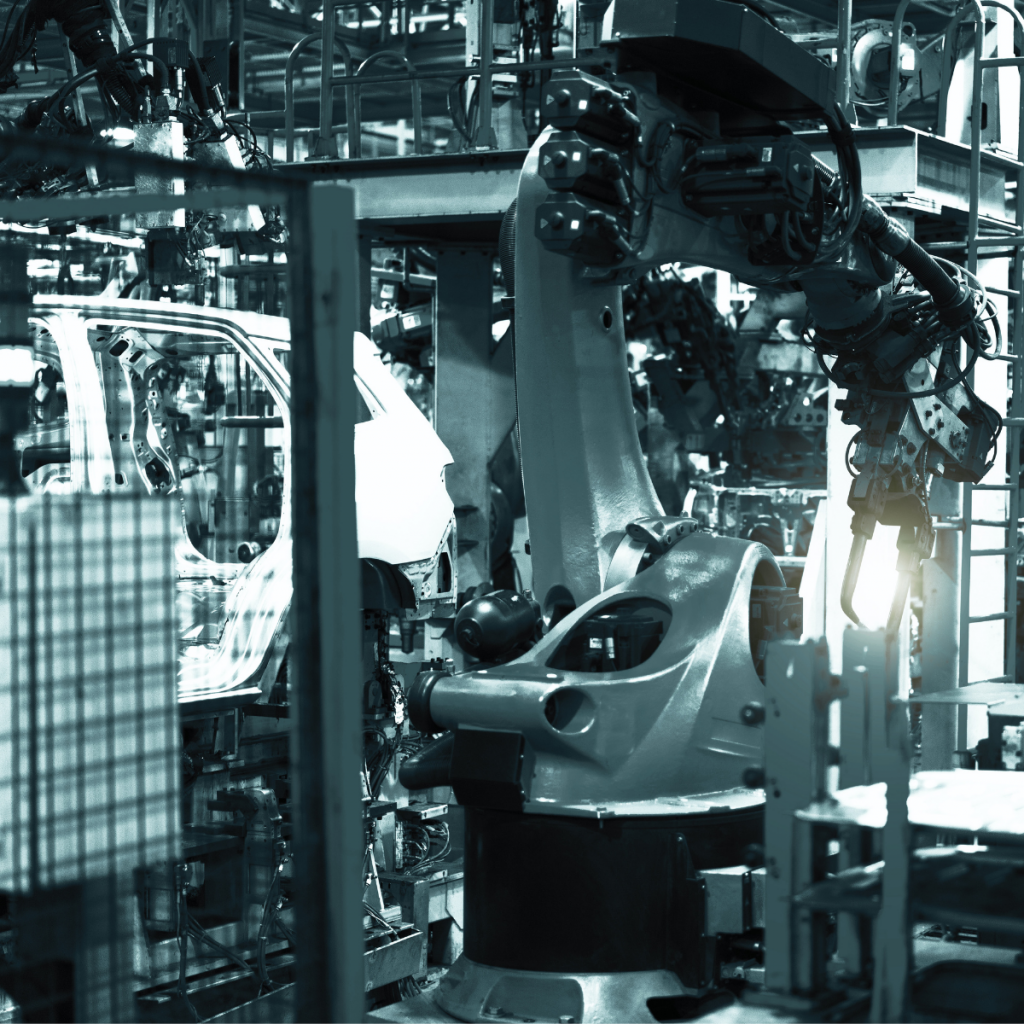


Manufacturing Supply Chains Must Focus on Resilience
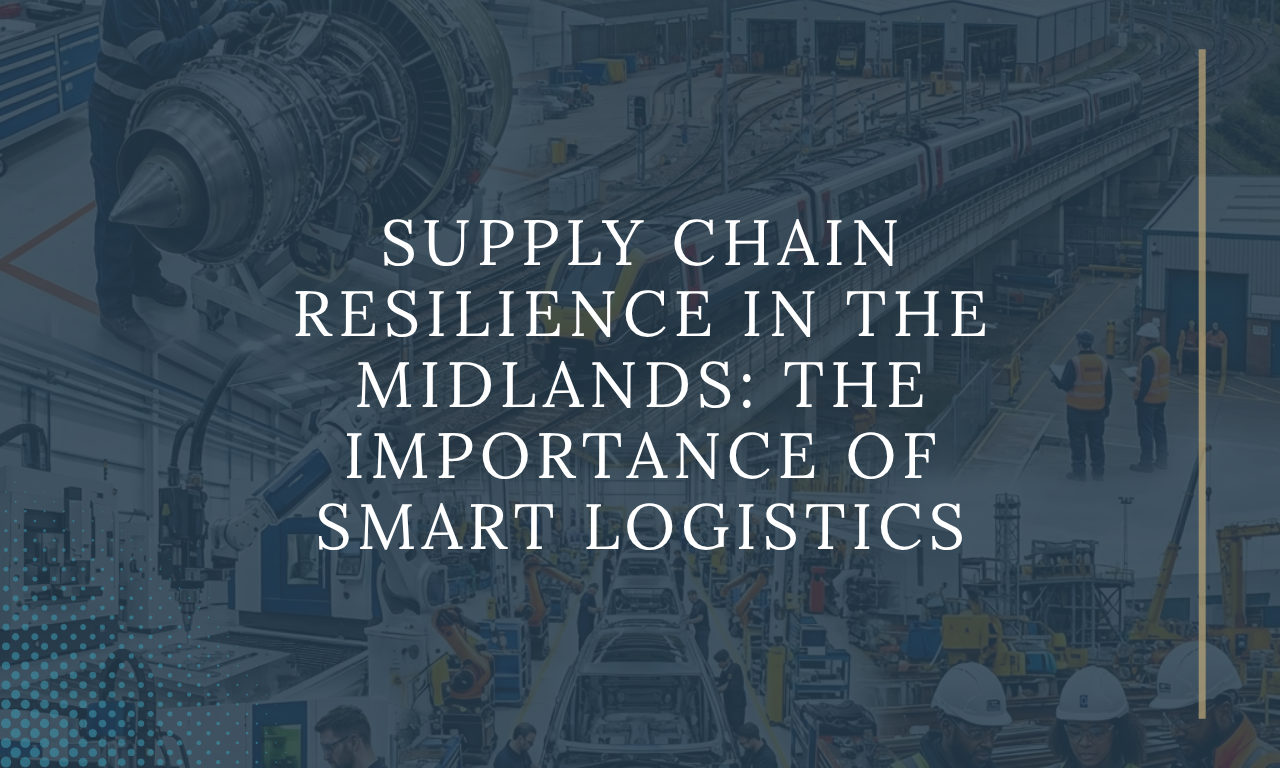
The Midlands remains the UK’s manufacturing powerhouse. From advanced engineering and automotive suppliers to industrial equipment manufacturers, the region plays a vital role in both domestic and international trade.
However, slower economic growth means manufacturers face increasing pressure to maintain efficiency while controlling costs.
Key questions many businesses are now asking include:
- Can we diversify suppliers to reduce risk?
- Are there more efficient freight routes available?
- How can we improve inventory management?
- Do we have enough visibility across our supply chain?
The most successful manufacturers understand that resilience creates competitive advantage.
Therefore, businesses that strengthen their supply chain strategies today will be better positioned to respond to future disruption and changing customer demand.
Aerospace Logistics Requires Precision and Reliability
Derby is recognised globally for its aerospace and advanced engineering expertise. As a result, local businesses form part of complex international supply chains where reliability is critical.
A delayed shipment can impact production schedules, customer commitments and operational performance.
Furthermore, HSBC has highlighted how organisations worldwide are increasing their focus on resilience as geopolitical uncertainty and supply chain risks continue to evolve.
For aerospace businesses, effective logistics is about far more than transportation.
It is about:
- Protecting production schedules
- Managing international supplier relationships
- Ensuring customs compliance
- Reducing supply chain risk
- Maintaining visibility from origin to destination
Consequently, choosing the right freight forwarding partner can have a direct impact on operational success.
Chemical and Lubricant Supply Chains Depend on Consistency
The chemicals and lubricants sector presents unique logistics challenges.
Businesses operating in this sector require dependable freight solutions together with clear communication, compliance expertise and proactive planning.
At the same time, economic uncertainty is encouraging many organisations to strengthen their approach to supply chain management. HSBC notes that businesses continue to face challenges linked to confidence, inflation and global market conditions.
To remain competitive, companies are increasingly focusing on:
- Supply chain visibility
- Route optimisation
- Customs efficiency
- Inventory planning
- Risk mitigation
Ultimately, businesses that achieve consistently reliable supply chains are often better equipped to protect margins and maintain customer satisfaction.
Why Midlands Businesses Are Well Positioned for Growth
Although economic growth is slowing, the long-term fundamentals of the Midlands remain strong.
The region continues to benefit from:
- World-leading manufacturing expertise
- A globally significant aerospace cluster
- Strong road, sea and air connectivity
- Access to international markets
- A highly skilled workforce
These strengths create significant opportunities for businesses willing to invest in supply chain resilience and operational efficiency.
Rather than viewing current economic conditions as a threat, many organisations are using this period to review supply chain performance and identify opportunities for improvement.
How IN Freight Solutions Supports Supply Chain Resilience
At IN Freight Solutions, we believe freight forwarding should deliver more than transportation.
We help businesses across manufacturing, aerospace and chemicals develop stronger, more resilient supply chains through:
- International freight forwarding
- Customs support
- Alternative routing solutions
- Supply chain consultancy
- Risk management strategies
- Import and export optimisation
As economic conditions continue to change, businesses that combine operational excellence with strategic supply chain planning will be best positioned for sustainable growth.
Conclusion
The latest UK GDP data tells us that economic growth is slowing, but it also highlights an opportunity.
Businesses that focus on supply chain resilience in the Midlands can improve efficiency, reduce risk and strengthen their competitive position.
For manufacturers, aerospace companies and chemical businesses, the question is no longer whether supply chains matter.
The question is whether your supply chain is prepared for what comes next.
Contact IN Freight Solutions today to discuss how we can help build a smarter, more resilient supply chain for your business.